Women’s Workwear Western Brands India: Your Office Style Guide
The women's workwear western brands in India worth knowing, plus outfit formulas for corporate, business casual and creative offices.
Before you shop sustainable women's fashion brands in India, learn what to look for, how to spot vague claims, and the habits that matter most.
When you’re looking for sustainable women’s fashion brands in India, focus less on buzzwords and more on evidence: clear information about materials and production on the brand’s own website, recognised certifications where claimed, durable construction and designs you’ll wear for years. Homegrown labels such as Doodlage, No Nasties, Okhai, Nicobar and Fabindia often come up in conversations about conscious fashion, but the best guide is learning to evaluate any brand yourself.
This guide gives you a practical checklist, the right questions to ask, and simple habits that make your wardrobe more sustainable, whichever labels you choose.
“Sustainable” is a broad word, and in fashion it can cover many things. Generally, people mean some combination of:
Very few brands are perfect on every front. A useful mindset is “better, not perfect”: choosing brands and habits that are more considered than the default.
Phrases like “eco-friendly”, “conscious” or “green” mean little on their own. Look for concrete details: which fabric, what process, which certification. If a brand makes a claim, it should explain it.
If a brand mentions a certification, look for the certification name and scope on its website. A certified fabric doesn’t automatically mean the whole garment or business is certified, so read carefully.
Fabric composition, care instructions and fit notes tell you a lot. Clear care instructions are a sign that a brand expects you to keep the piece.
Look at seams, hems, buttons and embellishments. Neat finishing and secure details mean a garment is more likely to survive many washes.
Sustainability isn’t only about fabric. A piece you’ll wear 50 times is often a better choice than one you’ll wear twice, whatever it’s made from.
| Vague claim | What a clearer brand might say instead |
|---|---|
| “Eco-friendly collection” | Names the specific fabric and explains why it was chosen |
| “Ethically made” | Shares information about where and how pieces are produced |
| “Certified sustainable” | Names the certification and what it covers |
| “Conscious choice” tag | Explains the criteria used for the tag |
| “Made to last” | Provides care guidance and details on construction |
It’s easy to focus only on the tag, but the most eco-friendly garment is often the one already in your cupboard. In an Indian context, that might mean:
The following Indian labels frequently come up when shoppers talk about conscious or craft-led fashion. We’re describing their general style only; please read each brand’s own website for its specific claims and practices.
To be clear and honest: Oh My My does not claim sustainability certifications. What we focus on is something every shopper can use, wherever they buy: handcrafted details and wear-again design.
Oh My My is a designed-in-India western and fusion label, “Tis for the vibes”, known for crochet, dori work, studs, rhinestones, pearls, beadwork and embellished denim. Pieces are designed to be styled many ways:
The aim is simple: clothes you love enough to keep wearing.
Many garments don’t need washing after every wear. Air them out, spot clean, and use a gentle cycle or hand wash for embellished pieces.
Harsh Indian sunlight can fade colours. Turn clothes inside out and dry them in shade.
Keep cupboards dry and aired, use cotton garment bags, and avoid packing damp clothes away.
Alterations and repairs are easy and affordable in most Indian cities. A tailor can refit, re-hem or reattach details and give a piece new life.
Before buying something new for an event, try creating a fresh look from what you own. A satin shirt and jeans from your cupboard can become a party outfit with the right accessories.
Swap with friends, hand down to cousins, or donate pieces you no longer wear so they stay in use.
Key takeaways
Labels like Doodlage, No Nasties, Okhai, Nicobar, Fabindia and Suta often come up in conversations about conscious fashion. Always read each brand’s own website for specific information on its materials and practices.
Look for brands that share concrete details about where and how their clothes are made, rather than general claims. If something is unclear, contact the brand directly and ask.
It can depend on the materials, how they’re processed, how long the garment lasts and what happens to it afterwards. One of the simplest eco-friendly choices is wearing what you buy many times.
Oh My My doesn’t claim sustainability certifications. It focuses on handcrafted details and versatile, wear-again designs like duo sets and co-ords that help you get more wear from each piece.
Rewear and restyle what you own, care for clothes gently, use a local tailor for repairs, and buy only pieces you’ll wear many times. Swapping clothes with friends is another easy step.
A more mindful wardrobe starts with choosing pieces you’ll truly love and wear. Explore versatile, handcrafted styles in the Between Moments Luxe collection, or browse everything at Oh My My.

 Misty Tulle Studded Duo Set
₹2,499
Flora Noir 3-Piece Co-ord Set
Misty Tulle Studded Duo Set
₹2,499
Flora Noir 3-Piece Co-ord Set

 Lovesplice Denim Shirt
₹3,699
Mint Jade Grace Embroidered Co-ord Set
Ethereal Bloom Cream Co-ord Set
Midnight Sheer Dori Embroidered Shirt
Skyline Bloom 3D Shirt & Cami Set
Lovesplice Denim Shirt
₹3,699
Mint Jade Grace Embroidered Co-ord Set
Ethereal Bloom Cream Co-ord Set
Midnight Sheer Dori Embroidered Shirt
Skyline Bloom 3D Shirt & Cami Set

 Carrot & Bow 3D Charm Shirt
₹2,450
Wine Whimsy 3-Piece Co-ord Set
Carrot & Bow 3D Charm Shirt
₹2,450
Wine Whimsy 3-Piece Co-ord Set
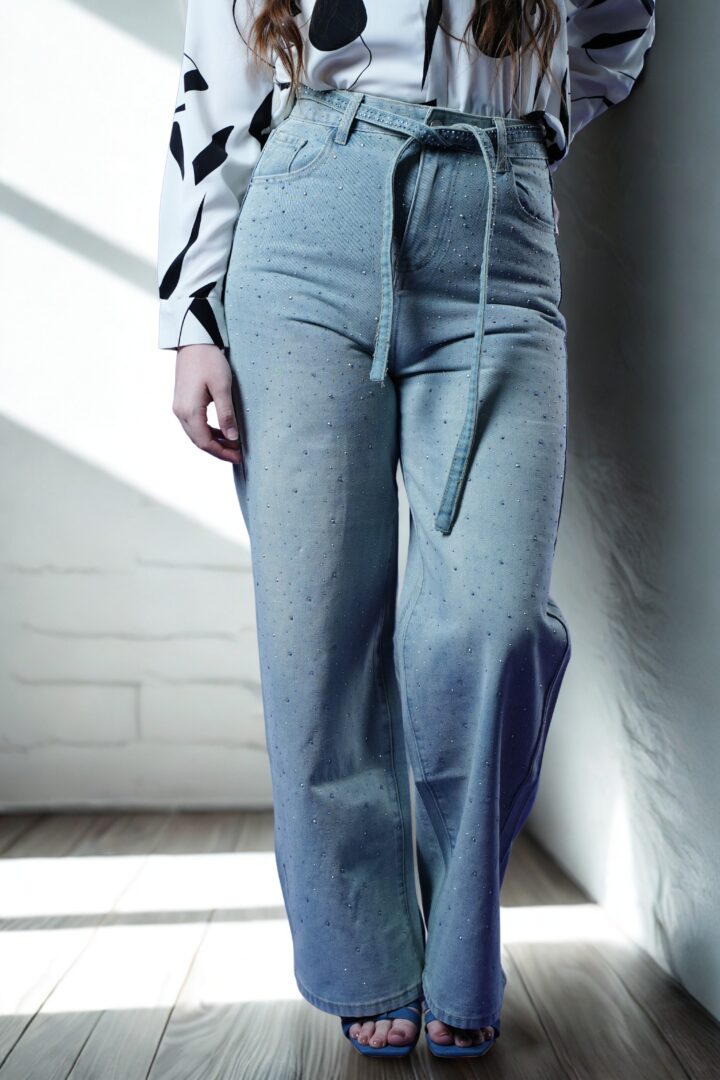
 Rinestone Highs - Jeans
₹3,999
Rinestone Highs - Jeans
₹3,999
The women's workwear western brands in India worth knowing, plus outfit formulas for corporate, business casual and creative offices.
From block prints to playful checks: where to shop good quality printed dresses in India, how to spot a well-made print online, and how to style it.
How to spot women's clothing brands in India that aren't fast fashion, plus homegrown labels to explore and simple habits for a wear-again wardrobe.