What Is Casual Dress? The Ultimate Guide to Modern Everyday Style
Casual dress means relaxed, comfortable clothing for everyday life. Here is what it includes, how it differs from smart casual, and how to make it look effortless.
Cotton breathes, absorbs sweat and feels soft on skin. Here is why it is India's favourite summer fabric, plus the best weaves and how to style them.
Why should we wear cotton clothes in summer? Because cotton is a natural, breathable fibre that lets air pass through, absorbs sweat and feels soft against the skin, so your body can cool itself more easily. Unlike many synthetics, it does not trap heat and moisture close to your body. In a country where summer temperatures regularly cross 40°C, that makes cotton one of the most practical and comfortable fabrics you can wear.
But not all cotton is equal, and “wear cotton” does not mean “wear boring”. Here is the science in simple words, the best cotton weaves for Indian weather, and how to style cotton so it looks as good as it feels.
Your body cools down mainly through sweat evaporating from your skin. Anything that interferes with that process makes you feel hotter. Cotton helps in three ways.
Cotton fibres and the way they are woven leave tiny gaps for air to move through. That airflow carries heat away from your body instead of letting it build up under your clothes.
Cotton can soak up a good amount of moisture, pulling sweat off your skin so you feel less sticky. This is a big reason it feels comfortable through long, humid afternoons.
Summer brings heat rash, prickly heat and irritation for many people. Soft, natural cotton is less likely to rub or irritate, especially in loose fits.
Beyond keeping you cool, cotton has practical advantages that make it a wardrobe staple in India.
The most common comparison shoppers make is cotton against polyester and other synthetics. Here is how they stack up for hot weather.
| Feature | Cotton | Polyester / synthetics |
|---|---|---|
| Breathability | High; air passes through easily | Lower; can trap heat |
| Sweat handling | Absorbs moisture | Does not absorb much; sweat can sit on skin |
| Feel on skin | Soft, natural | Can feel clingy or plasticky in heat |
| Drying time | Slower when soaked | Faster |
| Wrinkles | Creases more | Holds shape better |
| Best use in summer | Everyday daytime wear | Evenings, AC spaces, activewear blends |
The honest answer: cotton wins for everyday heat comfort. Synthetic blends have their place too, for example in activewear or in pieces where you want shine and structure, but for a long day outdoors in Indian summer, cotton is the safer bet.
“Cotton” covers many different weaves. Some are feather-light, others are thick and sturdy. For summer, look for these.
Smooth, crisp and lightweight. Perfect for shirts that need to look sharp at work. A classic piece like the Classic White Button Down Shirt is exactly the kind of crisp, clean shirt style that belongs in every summer wardrobe.
Very soft and airy, almost sheer. Ideal for kurtas, flowy tops and relaxed dresses on the hottest days.
Fine, lightweight weaves with a gentle drape. Great for blouses and dresses that need to move with you.
Textured, breathable and full of character. Khadi in particular is a proud Indian tradition, and its loose weave feels cool in dry heat.
These are cotton too, but tighter and heavier. Lightweight twill skirts work well in summer; heavier denim is better saved for evenings or cooler days.
When you are shopping cotton clothes for women in India, use these quick checks.
Cotton has a reputation for being plain. It does not have to be. Here is how to make it feel current.
Cotton is brilliant, but it is not perfect. It creases, and once fully soaked it can take time to dry. For very humid days, linen and some rayon fabrics are also excellent choices. For evenings, a satin or shimmer piece can be just right in air-conditioning. The smartest summer wardrobe uses cotton as the backbone and other fabrics where they make sense.
Cotton is breathable and absorbs sweat, so it helps your body cool down naturally. It is also soft on skin and less likely to cause irritation in the heat. That makes it one of the most comfortable fabrics for Indian summers.
Yes, cotton is good for hot and humid weather, especially in lightweight weaves and loose fits. In very sticky conditions, linen or a light rayon can be a good alternative because they dry faster.
For everyday wear, yes. Cotton allows air to move and absorbs moisture, while polyester tends to trap heat and leave sweat on the skin. Polyester blends work better for activewear or evening pieces.
Lightweight weaves like mulmul, voile, cambric and poplin are best for summer. They are airy and soft, while heavier cottons like denim and thick twill are better for evenings or cooler days.
Choose pieces with interesting details such as crochet, embroidery or patchwork, play with shapes like flared skirts and knotted shirts, and add one bold accessory. Mixing textures also makes cotton outfits look more styled.
Cotton is the quiet hero of Indian summer: breathable, soft and endlessly wearable. Pair that comfort with a little personality and you have outfits you will reach for all season. Browse easy, mood-lifting summer pieces in our Sidewalk Stories collection. #TisfortheVibes
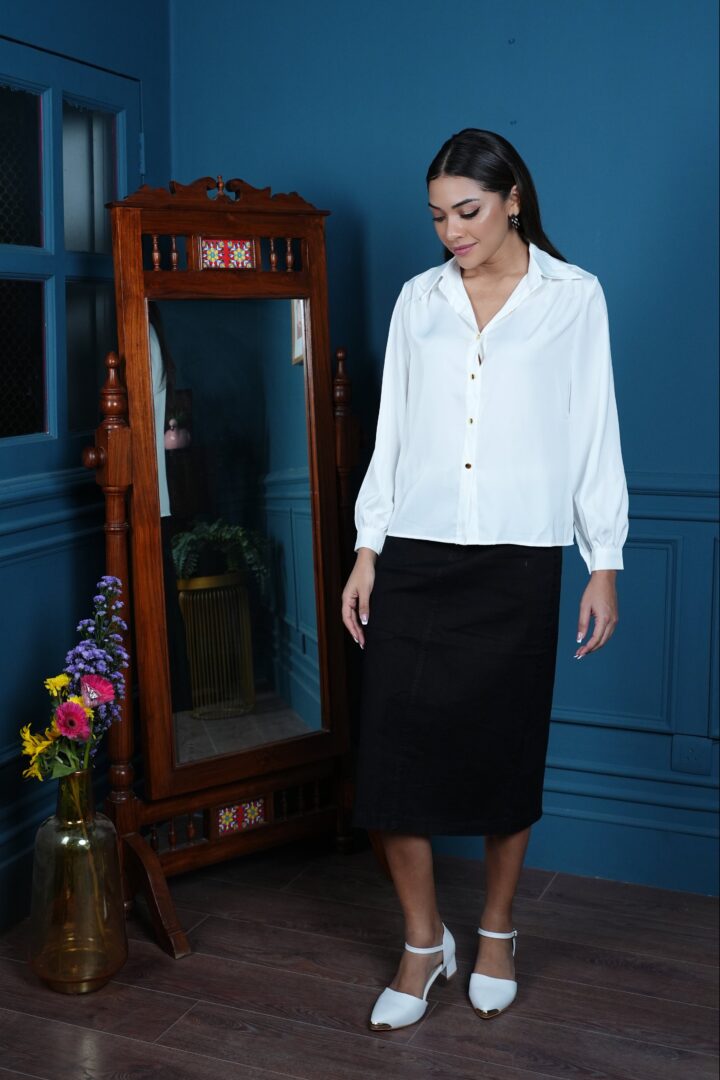
 Classic White Button Down Shirt for Women
₹2,699
Classic White Button Down Shirt for Women
₹2,699

 Cloud Nine Crochet Heart Shirt
₹2,699
Navy Glow Aura Soft-Touch Shirt
₹2,699
Brush Mist Aura Top
₹2,499
Ink Mist Monochrome Luxe Shirt
₹2,399
Cloud Nine Crochet Heart Shirt
₹2,699
Navy Glow Aura Soft-Touch Shirt
₹2,699
Brush Mist Aura Top
₹2,499
Ink Mist Monochrome Luxe Shirt
₹2,399
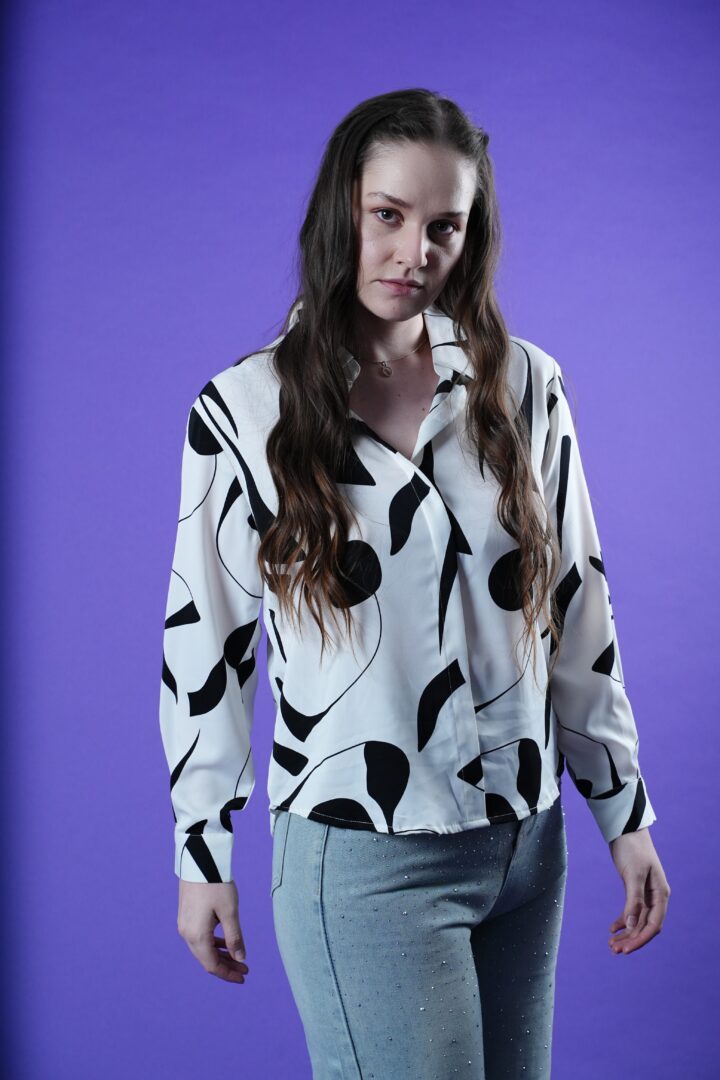
 Canvas Chic Button-Up Shirt
₹2,399
Moonshine Petal Aura Set - Shirt & Cami Duo
₹2,399
Peach Paisley Dori Dream Shirt
₹2,799
Mystic Wingborne Crop Shirt - White Shirt
₹3,269
Vixen Glow Rhinestone Tank - Black
₹2,369
Canvas Chic Button-Up Shirt
₹2,399
Moonshine Petal Aura Set - Shirt & Cami Duo
₹2,399
Peach Paisley Dori Dream Shirt
₹2,799
Mystic Wingborne Crop Shirt - White Shirt
₹3,269
Vixen Glow Rhinestone Tank - Black
₹2,369
Casual dress means relaxed, comfortable clothing for everyday life. Here is what it includes, how it differs from smart casual, and how to make it look effortless.
Indo western dress blends Indian craft and silhouettes with western cuts. Learn the key styles, how it differs from ethnic wear, and how to wear it anywhere.
Traditional dress is clothing tied to a community's culture, history and climate. Here is what it means in India, why it matters, and how to wear heritage today.