Western Wear for Wedding Guests in India: What to Wear If Not a Saree
Not a saree person? Here's how to pick western wear for wedding guest India occasions, function by function, without breaking any etiquette.
From hand-woven silks to embellished co-ords, here's how people dressed for Indian festivals through the ages, and how to carry that spirit into your modern festive wardrobe.
If you’ve ever wondered how were the people dressed for the festival seasons of India’s past, the short answer is: in their very best, newest and brightest clothes. Across regions and centuries, festivals were the moment to bring out hand-woven fabrics, rich colours, embroidery and family jewellery, and that instinct to dress up is still the heart of festive fashion today.
What has changed is the silhouette. Today’s festive wardrobe mixes heirloom ideas with modern cuts, so a dori-embroidered shirt or a sparkly co-ord can sit right next to a silk saree at the same Diwali party. Let’s walk through how festive dressing evolved, and how you can borrow the best of every era.
Traditional festival clothing in India was shaped by three things: region, climate and craft. There was never one “Indian festive look”. A woman in Bengal celebrating Durga Puja, a family in Punjab dressing for Lohri and a household in Kerala preparing for Onam would each have looked completely different, yet all shared a few common threads.
Buying or stitching new clothes before a big festival was, and still is, a tradition in many Indian homes. New clothes symbolised fresh beginnings, prosperity and respect for the occasion. Many families would plan purchases weeks ahead, visiting the local weaver or tailor so outfits were ready in time.
Before mass production, festive outfits were defined by handwork. Think of block prints, hand embroidery, mirror work, zari borders, bandhani tie-dye and thread work done patiently at home or by local artisans. The more intricate the detail, the more special the garment felt. These crafts were often passed down within families and communities.
Colour carried symbolism. Reds, yellows, greens and golds were associated with celebration, auspiciousness and harvest. Off-white with gold borders became iconic for some southern festivals, while vivid brights and tie-dye ruled in the west of India. Colour was the first and loudest way to say “today is special”.
Festive dressing was never just about fabric. Bangles, earrings, anklets, flowers in the hair, bindis and mehendi completed the look. Adornment was layered and joyful, and it’s a big reason why today’s fashion still loves pearls, stones and sparkle on festive outfits.
Festive fashion did not change overnight. It shifted slowly as cities grew, women joined the workforce in larger numbers, and global fashion became part of everyday life. Here is a simple, broad view of that journey.
| Era | Typical festive look | What defined it |
|---|---|---|
| Traditional / pre-modern | Draped garments, regional weaves, hand embroidery | Local craft, family heirlooms, region-specific styles |
| Mid-20th century | Sarees and salwar suits in silks and cottons | Tailored blouses, city fashion, film-inspired styles |
| Late 20th century | Anarkalis, lehengas, heavy embellishment | Bollywood glamour, wedding-style festive dressing |
| 2000s–2010s | Indo-western kurtas, dhoti pants, jackets | Fusion silhouettes, mixing western and Indian cuts |
| Today | Embellished co-ords, dori-work shirts, sparkly denim, fusion sets | Comfort, re-wearability, craft details on modern shapes |
The pattern is clear: the love for craft and colour stayed constant, while silhouettes became lighter, more practical and more personal.
Modern festive outfits for women are less about rules and more about mood. You might do a puja at home in the morning, meet cousins for lunch and head to a card party or a friend’s terrace at night. One heavy outfit rarely suits all of that. That’s why many women now build a festive wardrobe around pieces that feel special but are easy to move in.
Diwali is all about light, so this is the festival for shimmer, satin and sparkle. A beige satin shirt with studs, like the Sands of Starlight Duo, catches diya light beautifully and pairs well with gold jewellery. For Diwali card parties, a rhinestone tank with tailored trousers is a fun, modern twist. Explore more glow-ready pieces in our You Are A Diamond collection.
These festivals are long, social and often involve a lot of standing, walking and dancing. Choose breathable layers, comfortable bottoms and one statement element, like embroidery or a bold colour. A sheer shirt with dori embroidery over a cami gives a heritage feel without the weight of a full traditional outfit.
For Holi, practicality wins. Most people wear old whites or simple cotton pieces they don’t mind staining. Save your embellished outfits for the evening get-together after everyone has cleaned up.
For Eid lunches, flowing silhouettes and soft pastels feel graceful. Christmas brunches suit romantic dresses and skirts, while New Year’s Eve is your excuse for velvet, mesh and night-time edge.
The best modern festive outfits quietly nod to traditional ideas. Here’s how to translate them.
A dori-embroidered shirt like the Midnight Sheer Dori Embroidered Shirt is a good example: it carries a craft story, works with jeans or a skirt, and you can wear it again long after the festival.
If you’re short on time, use this simple formula: one special piece + one comfortable base + one traditional touch. For instance:
Indian festivals often fall in warm or humid months, so prioritise breathable layers and avoid anything too heavy if you’ll be out for hours. And if you’ll be sitting on the floor for a puja, choose bottoms that let you move easily.
People generally wore draped, unstitched or simply stitched garments made from local handloom fabrics, finished with hand embroidery, prints or woven borders. Festive days called for the newest clothes, brighter colours and plenty of jewellery, flowers and adornment. Styles varied widely from region to region.
Traditional festival clothing in India includes sarees, lehengas, salwar suits, anarkalis and region-specific outfits, often in silk or cotton with zari, embroidery, mirror work or tie-dye. Each region has its own festive signatures, so there is no single traditional look.
Yes, absolutely. Many women now celebrate in fusion or western outfits like embellished shirts, satin co-ords or dressy skirts. Adding a traditional touch, such as jhumkas, bangles or a dori-work detail, keeps the look festive and respectful of the occasion.
Reds, golds, yellows, greens, pinks and jewel tones are classic festive choices in India. Warm neutrals like beige and champagne with shimmer also work beautifully for Diwali. For daytime functions, pastels and whites feel fresh and graceful.
Pick separates with craft details, such as an embroidered shirt or an embellished denim skirt, rather than a single heavy outfit. Style them with traditional jewellery for festivals and with simple basics for brunches, dates or work events the rest of the year.
Festive fashion has always been about joy, craft and dressing up for the moment, and that hasn’t changed one bit. If you love the idea of heritage details on modern silhouettes, explore our Heritage Poetry collection and find a festive piece you’ll keep reaching for long after the lights come down. Tis for the vibes!
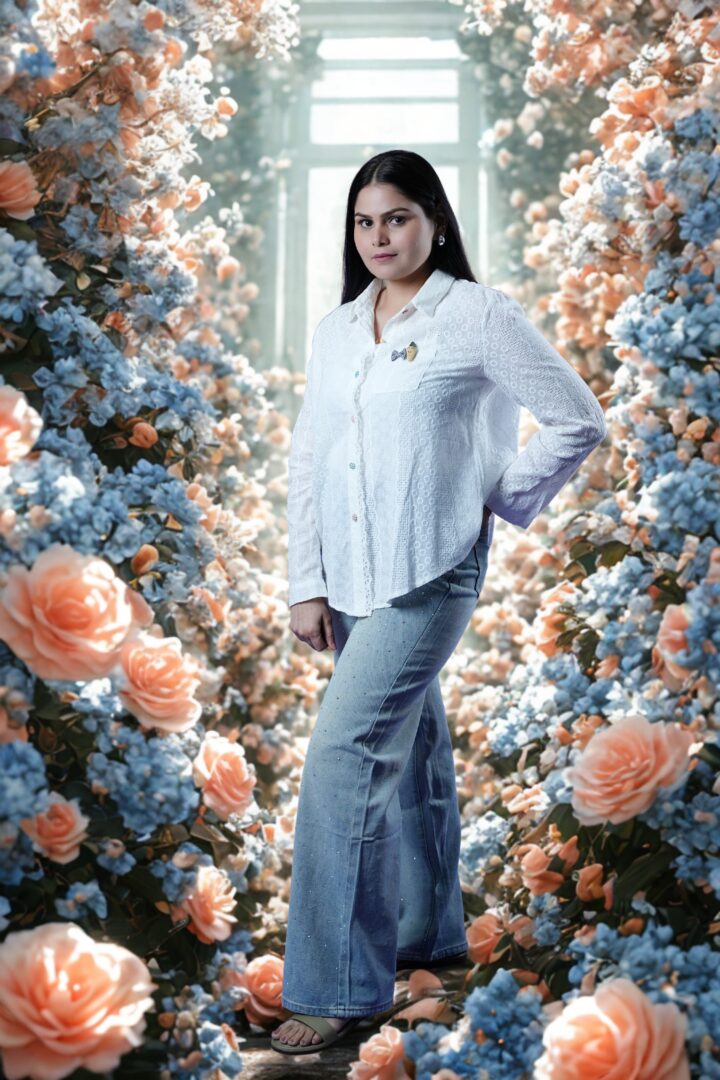
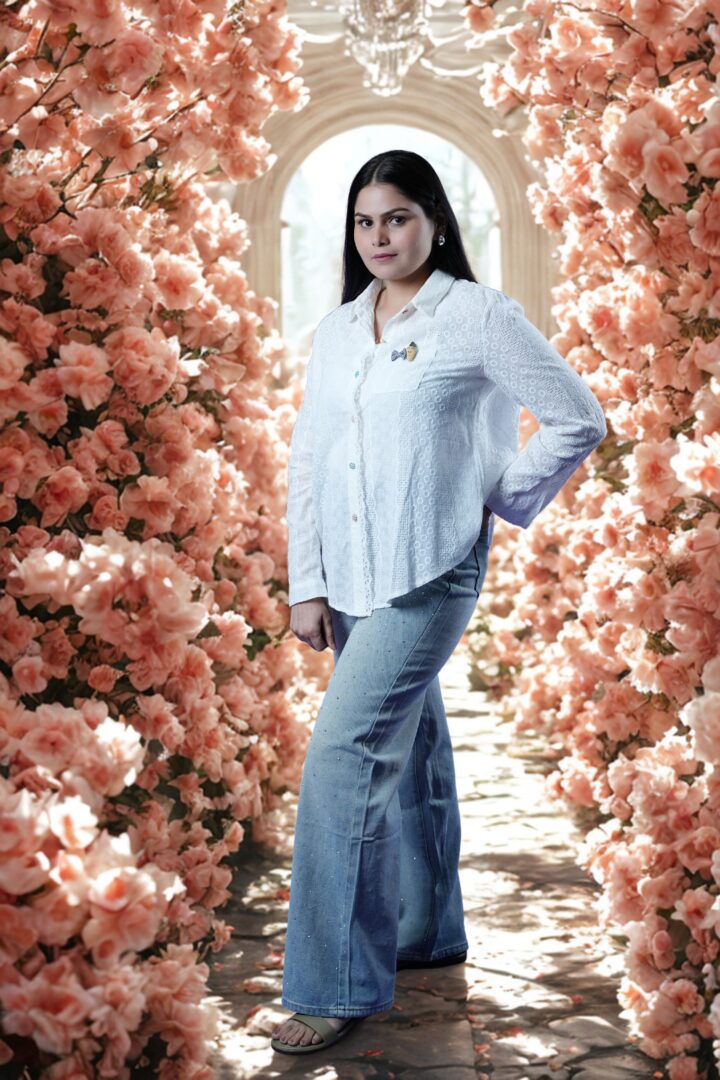 Carrot & Bow 3D Charm Shirt
₹2,450
Wine Whimsy 3-Piece Co-ord Set
Flora Noir 3-Piece Co-ord Set
Carrot & Bow 3D Charm Shirt
₹2,450
Wine Whimsy 3-Piece Co-ord Set
Flora Noir 3-Piece Co-ord Set
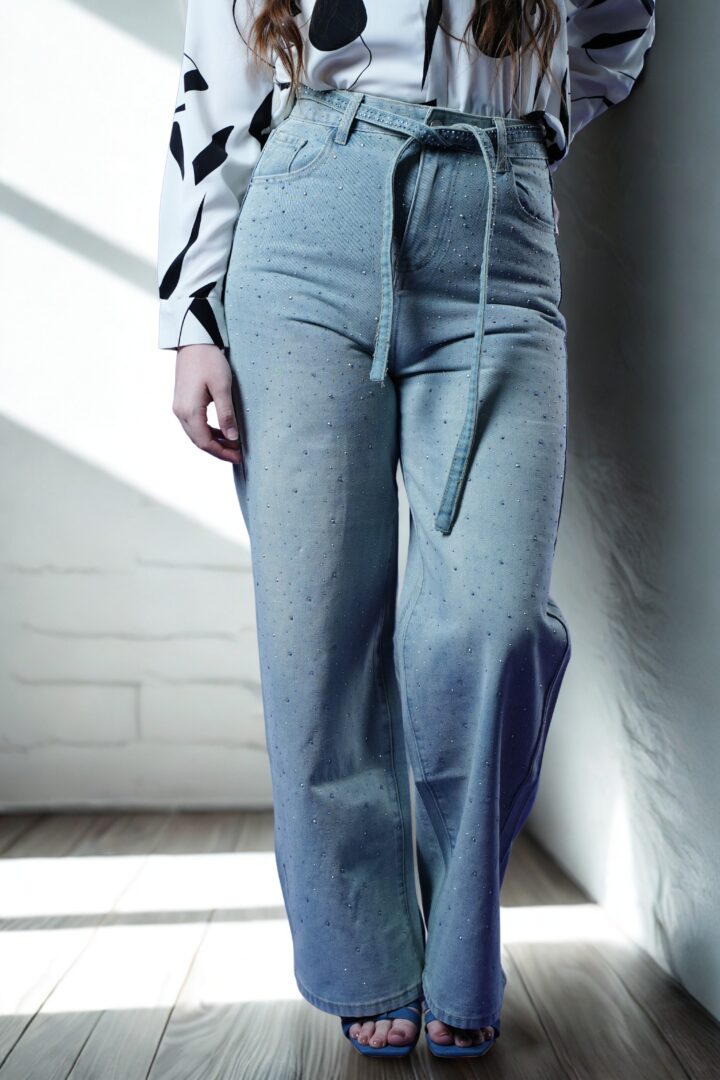
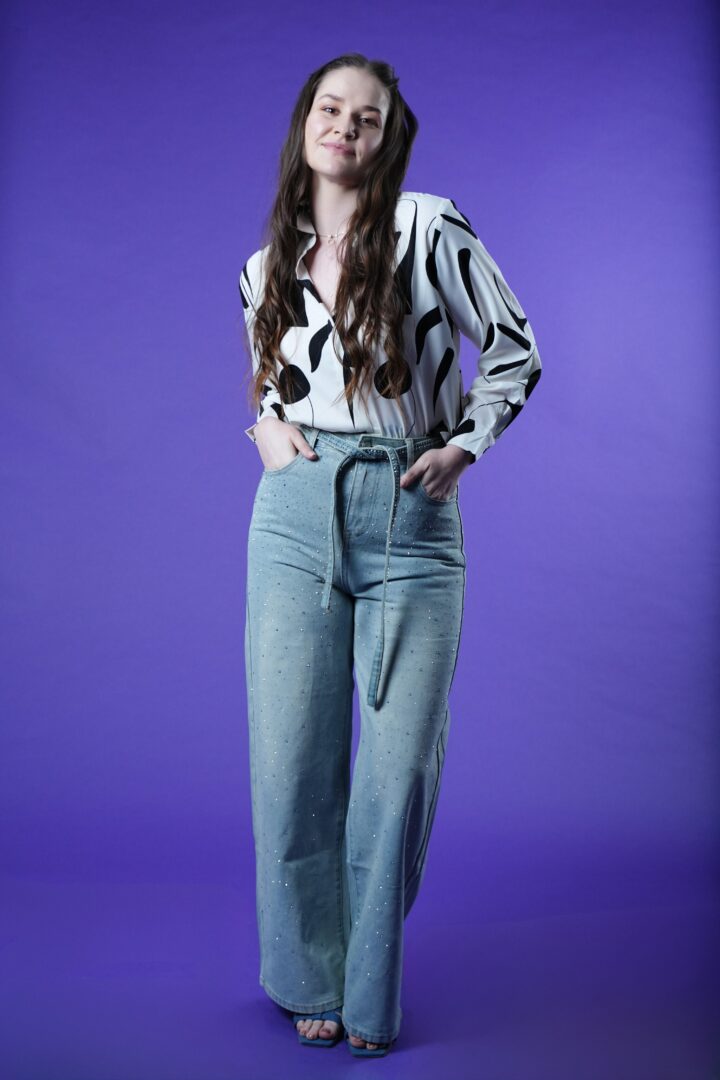 Rinestone Highs - Jeans
₹3,999
Two-Way Vibes Dress
₹3,399
Luxe Rouge Soft-Touch Shirt
Original price was: ₹2,999.₹2,499Current price is: ₹2,499.
Rinestone Highs - Jeans
₹3,999
Two-Way Vibes Dress
₹3,399
Luxe Rouge Soft-Touch Shirt
Original price was: ₹2,999.₹2,499Current price is: ₹2,499.
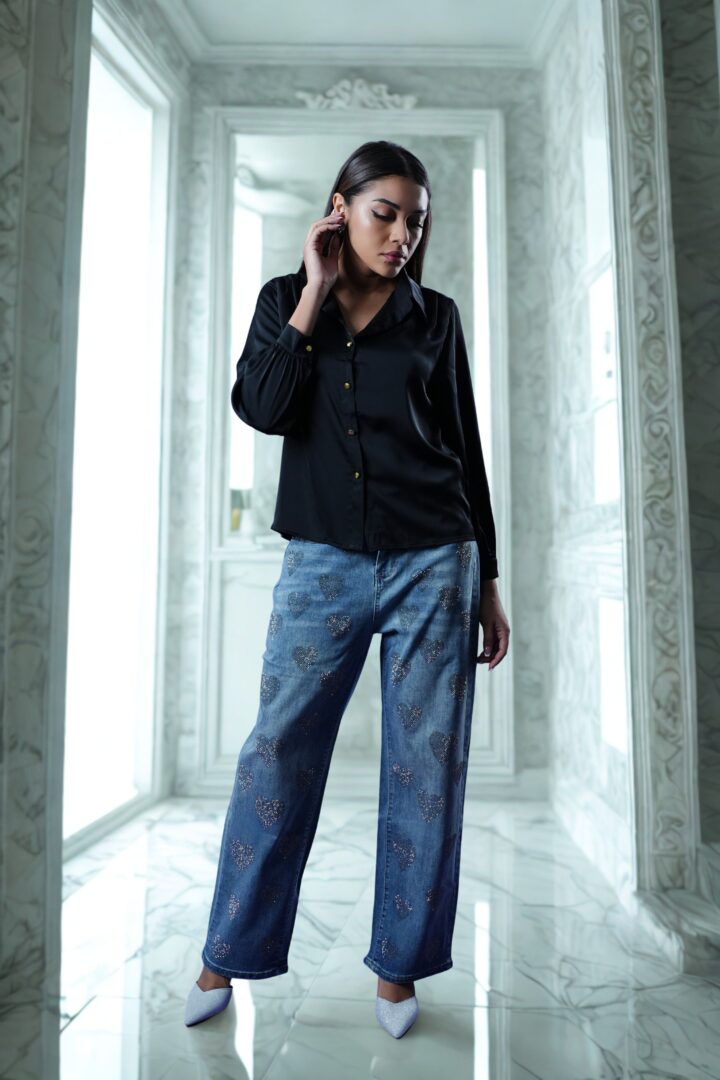
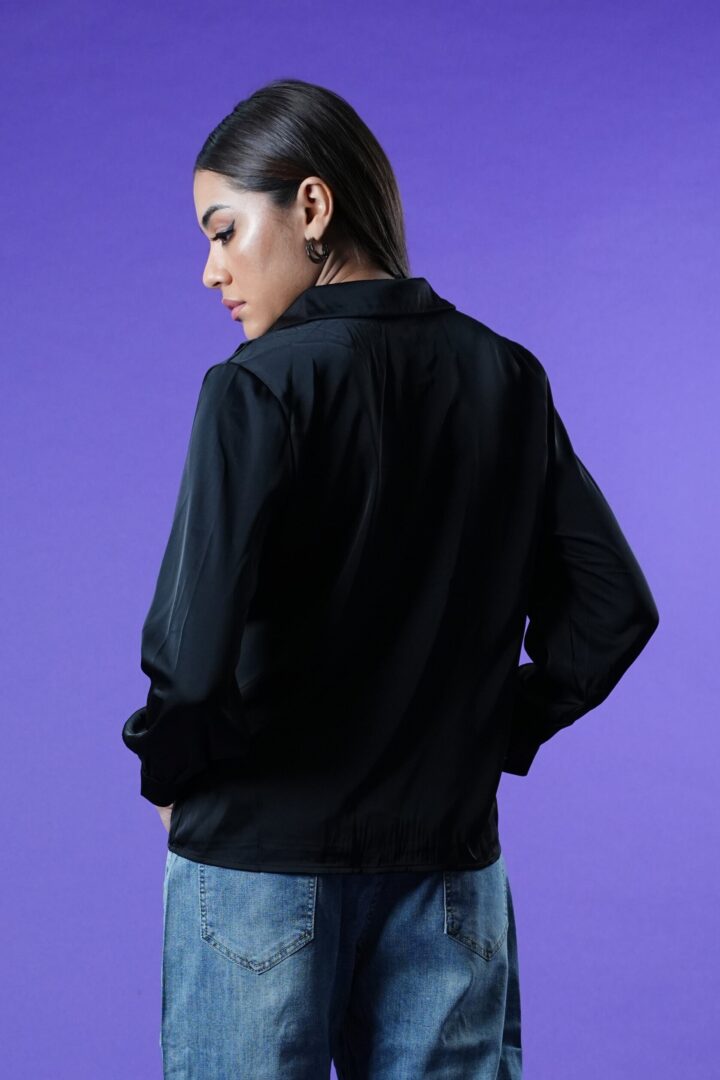 Midnight Sway Satin Shirt
₹2,699
Midnight Sway Satin Shirt
₹2,699
Not a saree person? Here's how to pick western wear for wedding guest India occasions, function by function, without breaking any etiquette.
Glam, fun and made for dancing: here's what to wear to a sangeet as a guest, with indo-western and western outfit ideas that feel festive and comfortable.
Polished but fun, festive but appropriate: here's exactly what to wear to an office party in India, from Diwali dos to year-end dinners.