Why Should We Wear Cotton Clothes in Summer?
Cotton breathes, absorbs sweat and feels soft on skin. Here is why it is India's favourite summer fabric, plus the best weaves and how to style them.
From A-line and fit-and-flare to wrap, shirt and slip dresses, here is a clear guide to the main types of dresses for women and when to wear each one.
The main types of dresses for women are defined by their silhouette (shape), length and neckline: A-line, fit-and-flare, shift, sheath, wrap, shirt, slip, bodycon, maxi, midi, mini, empire-waist, skater, tiered and corset dresses are the ones you will see most often. Knowing these names makes online shopping far easier, because you can filter by the shape that suits your body, your climate and your plans for the day.
This guide walks through each dress style, what it flatters, where to wear it in an Indian context and how to style it so it feels like you, not like a mannequin.
Most of us buy a dress because we like the colour or the print, and then wonder why it never feels quite right. Usually the answer is the silhouette. A print you love on a shape that fights your proportions will stay in the cupboard. A simple dress in a shape that works for you will become a weekly favourite.
Understanding dress styles also helps you:
Silhouette is the overall outline a dress creates on your body. These are the core ones.
Fitted at the shoulders and bust, then gradually widening from the waist to the hem, like the letter A. It skims over the hips and tummy and suits almost every body type. Great for office, college and day events.
Fitted through the bodice and waist, then flaring out more dramatically than an A-line. It defines the waist and creates a feminine, playful shape. A lace-up corset bodice with a flared skirt, like The Angelcore White Tie-Up Dress, is a modern take on this classic.
A shorter, bouncier fit-and-flare, usually above the knee with a circle skirt. Youthful and easy for daytime outings.
Straight and loose from shoulder to hem with no defined waist. It is breezy, which makes it ideal for summer. Add a belt if you want shape.
Close-fitting and tailored, following the body’s natural line, usually knee length. A polished choice for formal meetings and evening events.
Stretchy and figure-hugging from top to bottom. Best for parties and nights out; layer an oversized shirt over it for a more relaxed daytime version.
Crosses over at the front and ties at the waist, creating a V-neck. It adjusts to your shape, flatters curves and works for both work and weekend.
Borrowed from the classic button-down, with a collar and button placket. Wear it belted, open as a layer over a cami, or loose with sneakers.
A slinky, bias-cut dress with thin straps, often in satin. Wear it alone for evenings or with a crisp shirt or tee over it by day.
The waistline sits just under the bust and the skirt falls from there. It lengthens the legs and is comfortable for long days.
Tiered dresses have horizontal layers of fabric that add volume and movement. Corset dresses use structured or lace-up bodices to cinch the waist — a big trend in western wear right now.
| Dress type | Best for | Flatters | Style tip |
|---|---|---|---|
| A-line | Office, college, day events | Almost every body type | Add a belt and loafers |
| Fit-and-flare | Brunch, dates, birthdays | Defines the waist | Pair with block heels |
| Shift | Summer days, travel | Straight or athletic frames | Belt it or keep it breezy |
| Sheath | Formal meetings, evening events | Balanced proportions | Structured bag, pointed flats |
| Wrap | Work and weekend | Curvy and hourglass shapes | Minimal jewellery |
| Shirt | Smart casual, travel | Most body types | Wear open as a layer |
| Slip | Evenings, parties | Slim and petite frames | Layer a shirt by day |
| Bodycon | Night out, clubs | Confident, defined shapes | Oversized blazer on top |
| Maxi | Holidays, festive evenings | Taller frames; petites with a high slit | Flat sandals or wedges |
There are no rules you must follow, but these pointers help:
Indian weather changes the game. For humid summers in Mumbai or Chennai, lean towards loose shapes like shift, A-line and shirt dresses in breathable fabrics. Delhi winters call for midis and maxis layered with denim jackets, long shirts or knit cardigans. During monsoon, mini and knee-length dresses keep hems out of puddles.
Think about the occasion too. Many Indian offices are comfortable with knee-length or midi dresses, while family functions often welcome fusion looks — a dress with a heritage-inspired layer or dori embroidered shirt on top. Oh My My’s Heritage Poetry collection plays with exactly this blend of Indian craft and modern shapes.
An open shirt over a slip or bodycon dress instantly makes it daytime friendly. A crisp Classic White Button Down Shirt works with nearly every dress type on this list.
Sneakers make a fit-and-flare casual; block heels make it date-ready; kolhapuris give a shift dress a desi twist.
A plain dress becomes memorable with one statement element — crochet, pearls, studs or rhinestones. Oh My My designs often build these details right into the garment, so you need fewer accessories.
White and pastels feel fresh for daytime brunches; black, satin and shimmer belong to evenings. Explore Dressed to Dusk for pieces that move from brunch to sunset dinner.
The most common types are A-line, fit-and-flare, shift, sheath, wrap, shirt, slip, bodycon, empire-waist and maxi dresses. They differ mainly in how they fit at the waist and how the skirt falls. Learning these names makes it easier to shop online and pick shapes that suit you.
The A-line dress is the closest to universally flattering because it fits at the top and skims over the hips. Wrap dresses come a close second since they adjust to your shape. Both work for office, day events and casual outings.
An A-line widens gradually from the bust or waist, creating a soft triangle shape. A fit-and-flare is fitted through the waist and then flares out more sharply, giving a more defined, playful silhouette. Fit-and-flare dresses highlight the waist more.
Loose silhouettes like shift, A-line and shirt dresses in breathable fabrics are best for hot, humid weather. Mini and knee-length dresses also keep you cooler. Avoid heavy, tight-fitting styles for long days outdoors.
Yes, many families are comfortable with midi or maxi dresses, especially in richer fabrics or with embroidered layers. Fusion styling, such as adding a dori embroidered shirt or statement earrings, helps a dress feel festive. When in doubt, choose longer lengths and covered shoulders.
Now that you know your A-line from your wrap, finding the right dress becomes a lot more fun. Browse the full Oh My My edit for dresses, skirts and duos with handcrafted details — because every outfit should match your vibe. #TisfortheVibes
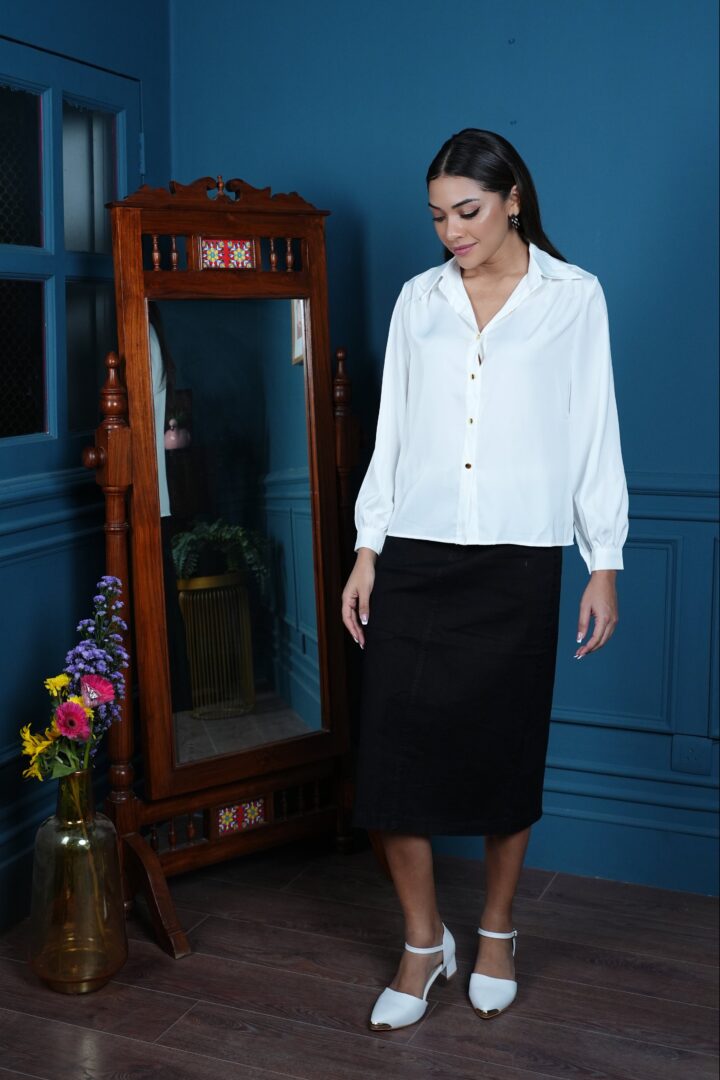
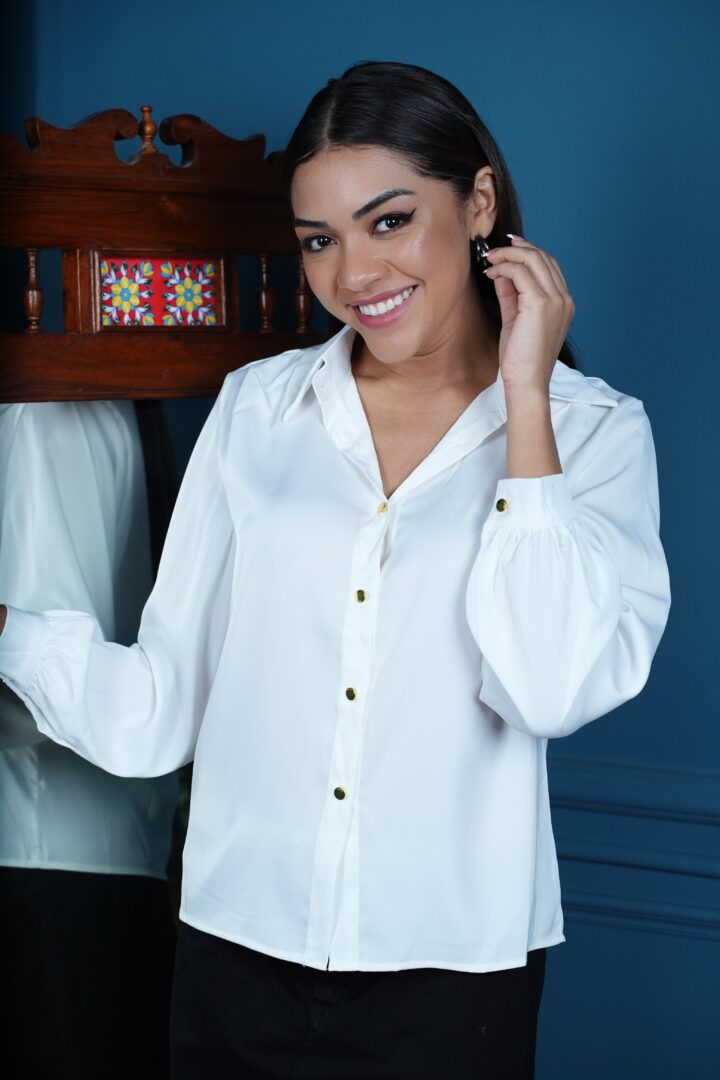 Classic White Button Down Shirt for Women
₹2,699
Luxe Rouge Soft-Touch Shirt
Original price was: ₹2,999.₹2,499Current price is: ₹2,499.
Classic White Button Down Shirt for Women
₹2,699
Luxe Rouge Soft-Touch Shirt
Original price was: ₹2,999.₹2,499Current price is: ₹2,499.
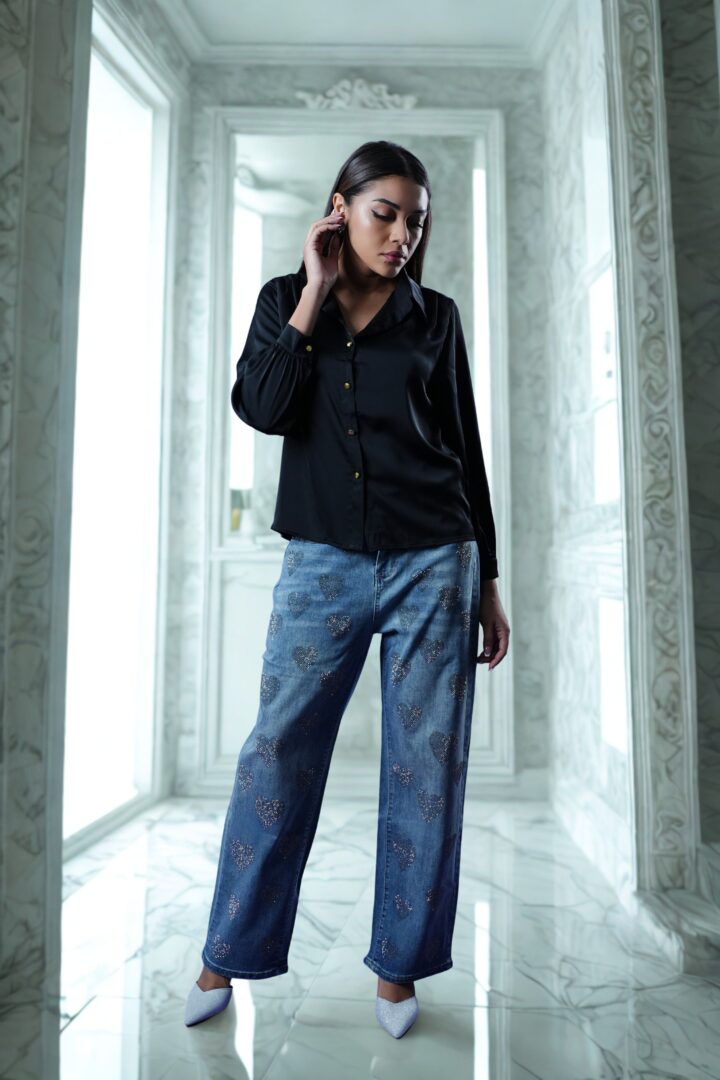
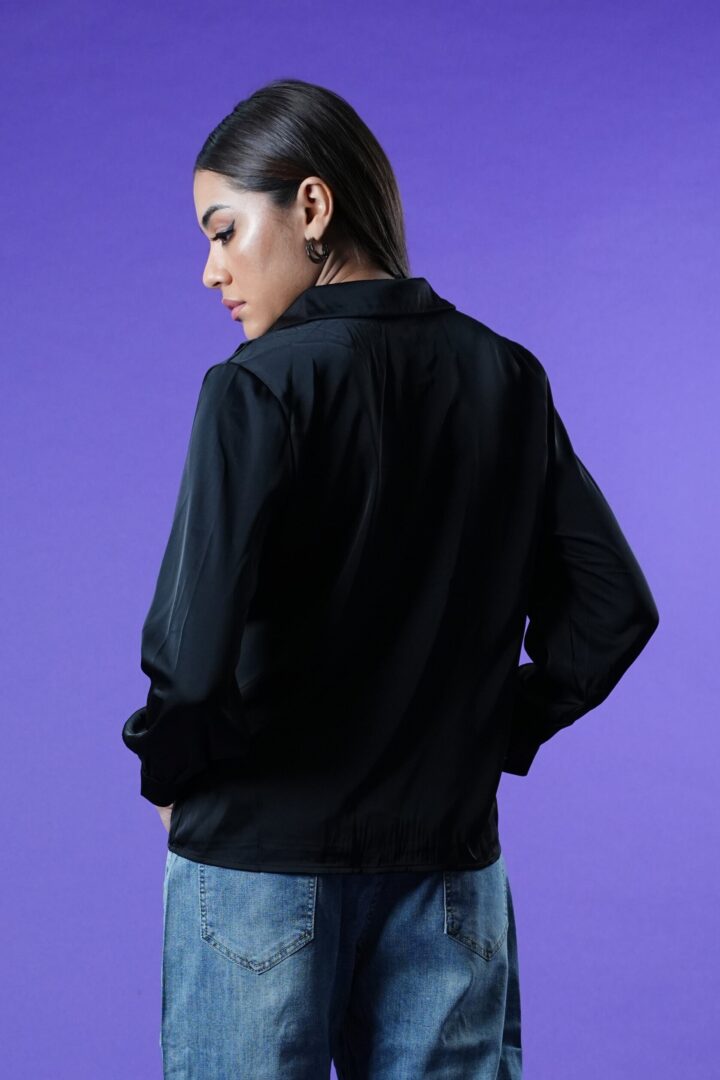 Midnight Sway Satin Shirt
₹2,699
Midnight Sway Satin Shirt
₹2,699
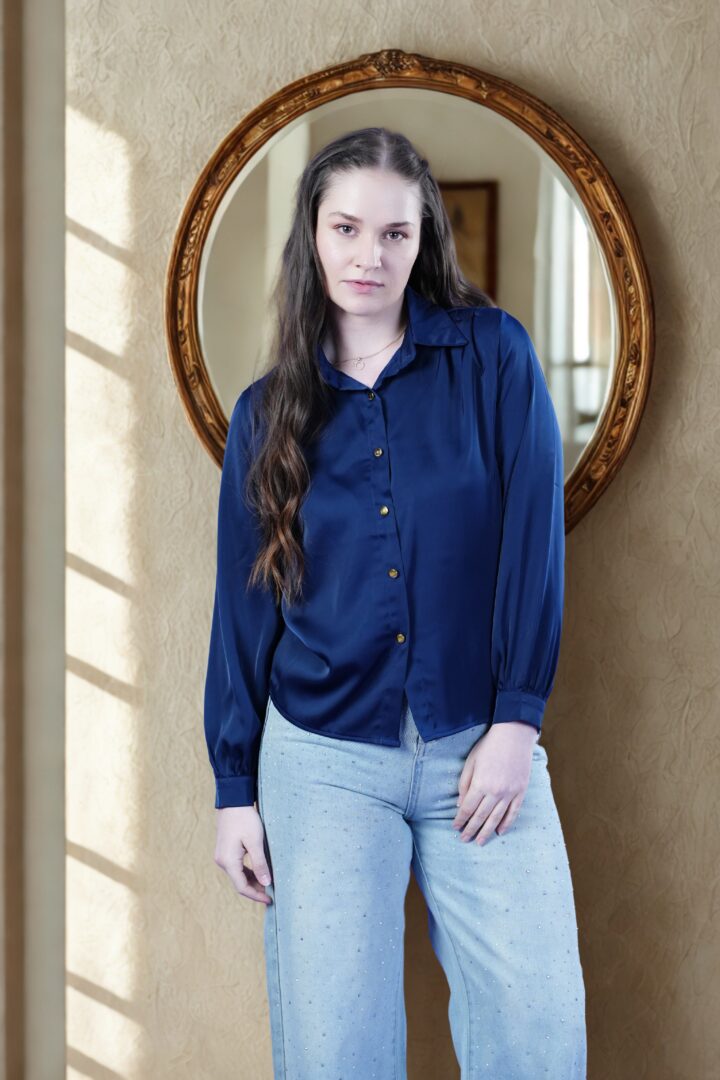
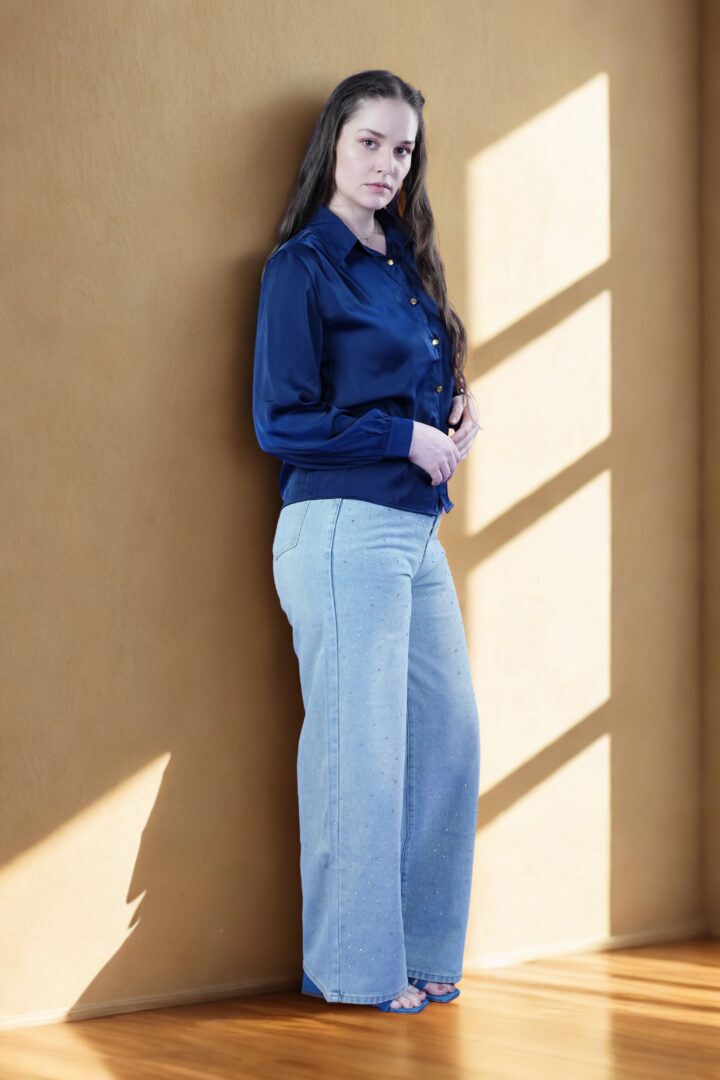 Navy Glow Aura Soft-Touch Shirt
₹2,699
Brush Mist Aura Top
₹2,499
Ink Mist Monochrome Luxe Shirt
₹2,399
Navy Glow Aura Soft-Touch Shirt
₹2,699
Brush Mist Aura Top
₹2,499
Ink Mist Monochrome Luxe Shirt
₹2,399
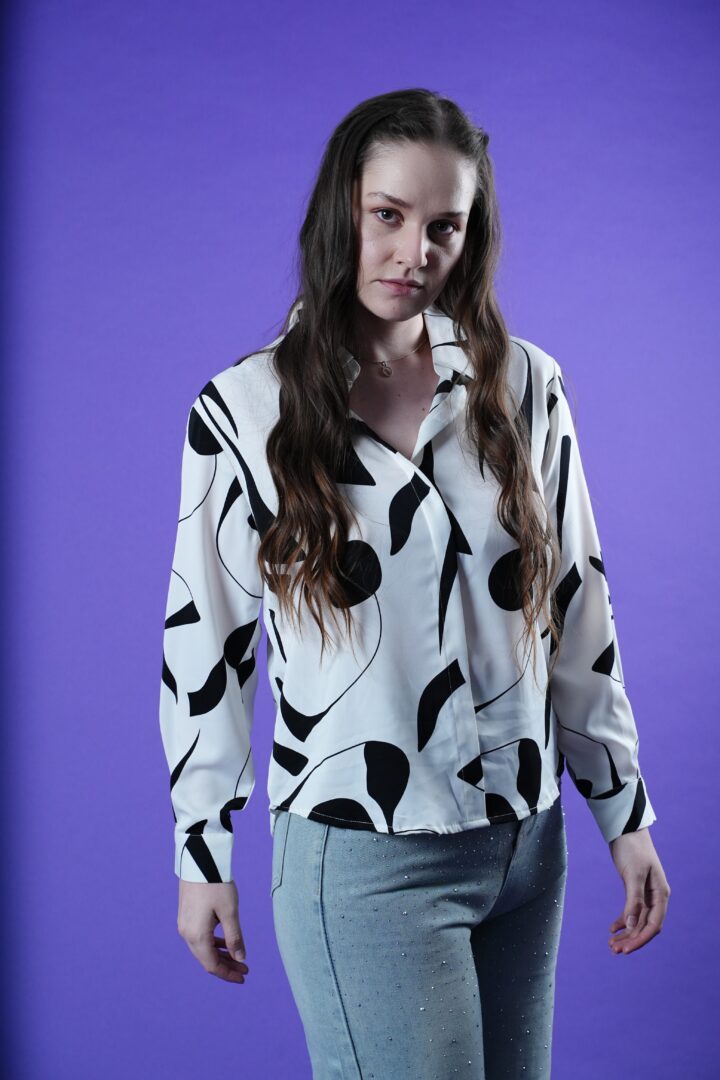
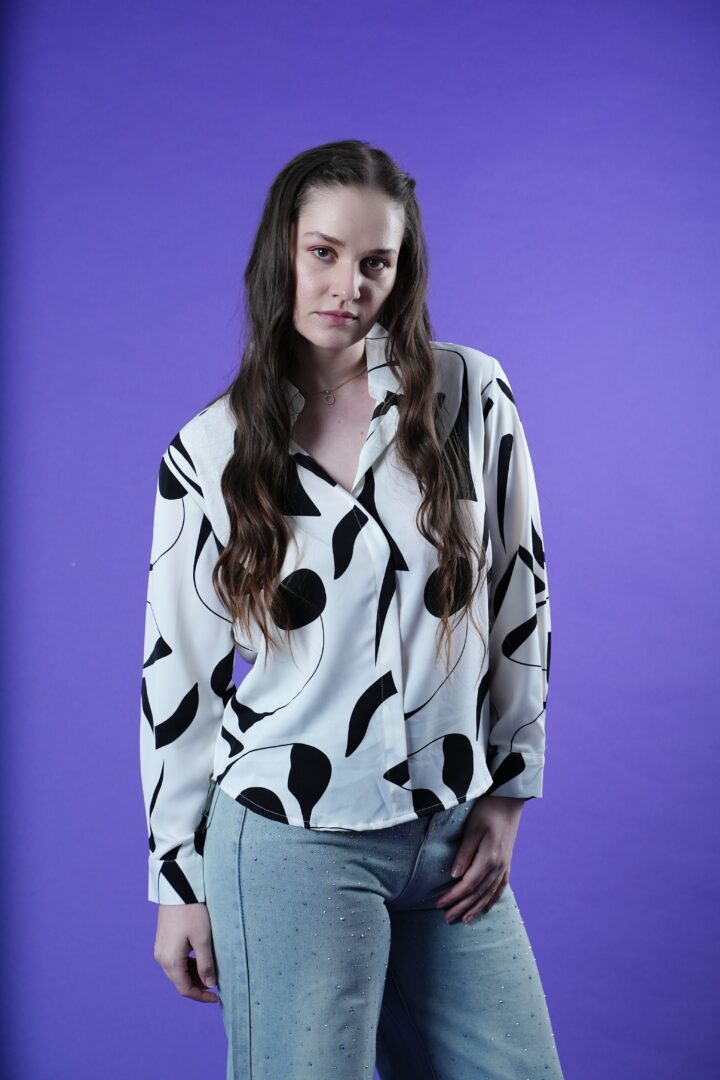 Canvas Chic Button-Up Shirt
₹2,399
Moonshine Petal Aura Set - Shirt & Cami Duo
₹2,399
Peach Paisley Dori Dream Shirt
₹2,799
Canvas Chic Button-Up Shirt
₹2,399
Moonshine Petal Aura Set - Shirt & Cami Duo
₹2,399
Peach Paisley Dori Dream Shirt
₹2,799
Cotton breathes, absorbs sweat and feels soft on skin. Here is why it is India's favourite summer fabric, plus the best weaves and how to style them.
Casual dress means relaxed, comfortable clothing for everyday life. Here is what it includes, how it differs from smart casual, and how to make it look effortless.
Indo western dress blends Indian craft and silhouettes with western cuts. Learn the key styles, how it differs from ethnic wear, and how to wear it anywhere.