Why Should We Wear Cotton Clothes in Summer?
Cotton breathes, absorbs sweat and feels soft on skin. Here is why it is India's favourite summer fabric, plus the best weaves and how to style them.
Traditional dress is clothing tied to a community's culture, history and climate. Here is what it means in India, why it matters, and how to wear heritage today.
What is traditional dress? Traditional dress is the clothing that a community, region or culture has worn for generations, shaped by its history, climate, religion, crafts and social customs. In India, it includes garments like the saree, lehenga choli, salwar kameez, mekhela chador, mundum neriyathum and ghagra, each carrying regional weaves, prints and ways of draping.
Today, traditional dress is worn for festivals, weddings and rituals, while its crafts and motifs increasingly inspire everyday fusion fashion. Here is a closer look at its meaning, why it matters and how to wear heritage in a modern way.
Traditional dress (also called folk costume, national dress or regional dress) refers to garments that identify a group of people. They are usually:
Unlike fashion trends that change every season, traditional dress evolves slowly. It is a living record of how people have lived, celebrated and expressed themselves.
India does not have one traditional dress — it has hundreds. A few well-known examples:
| Region | Traditional wear for women | Notable crafts and details |
|---|---|---|
| Punjab | Salwar kameez with phulkari dupatta | Phulkari floral embroidery |
| Rajasthan and Gujarat | Ghagra choli with odhni | Bandhani tie-dye, mirror work, block prints |
| Kerala | Mundum neriyathum (set mundu) | Off-white handloom with gold kasavu border |
| Assam | Mekhela chador | Muga and pat silk weaving |
| West Bengal | Saree, often draped in the Bengali style | Jamdani, tant and kantha embroidery |
| Maharashtra | Nauvari (nine-yard) saree | Paithani weaving |
| Tamil Nadu | Silk saree, pavadai for young girls | Kanjeevaram weaving |
| Kashmir | Pheran | Tilla and aari embroidery |
Each of these reflects local resources and skills, and many are now protected or promoted as heritage crafts.
Wearing traditional dress connects people to their roots and family history. It is often the first thing that marks a festival, wedding or ritual as special.
Weaves, embroideries and dyeing techniques survive because people keep wearing them. Every handloom saree or embroidered dupatta supports skills that take years to learn.
Motifs carry meaning — peacocks, lotuses, paisleys and temple borders often have symbolic or regional significance.
Many traditional garments were designed for local weather: breathable drapes for tropical heat, layered wool for mountain winters.
These terms are often used interchangeably, but there are differences:
Many women today love heritage but want versatility. Here are easy ways to bring traditional elements into a modern wardrobe:
Wear a handloom saree with a crisp shirt instead of a blouse, or a block-printed skirt with a plain fitted tee.
Dori embroidery, beadwork and crochet look beautiful on shirts and dresses. The Midnight Sheer Dori Embroidered Shirt brings a traditional technique to a contemporary layer. Oh My My’s Heritage Poetry collection explores this idea further.
Oxidised jhumkas, bangles, potli bags and juttis can make a simple western outfit feel rooted. Try a white shirt and denim with statement silver earrings.
Turn an old dupatta into a stole over a slip dress, or wear a grandmother’s brooch on a satin shirt.
For rituals and ceremonies, full traditional dress is often expected and appreciated. For parties, office festivities and dinners, fusion allows you to honour tradition while staying comfortable.
If you want a look that nods to tradition without wearing a full ethnic outfit, try these combinations:
These looks keep the spirit of each festival’s traditional dress — its colours, crafts and textiles — while letting you move, travel and re-wear pieces easily.
When wearing garments from a culture or region that is not your own, wear them with care. Learn the name and origin, buy from genuine artisans or brands that credit the craft, and avoid treating sacred or ceremonial items as costumes. Most communities love sharing their dress when it is worn with respect.
Traditional dress is clothing that a community or region has worn for generations, reflecting its culture, history, climate and crafts. It often marks identity and special occasions. In India, examples include the saree, ghagra choli and mekhela chador.
India has no single traditional dress; each region has its own. The saree is the most widely recognised women’s garment, alongside the salwar kameez, lehenga choli, mundum neriyathum, mekhela chador and pheran. Each carries local weaves and embroidery.
It preserves cultural identity, keeps handloom and embroidery skills alive and tells regional stories through motifs and colours. It also carries practical knowledge about dressing for local climates. Wearing it on festivals connects generations.
Pair a traditional piece with a western one, like a saree with a shirt, or choose modern cuts with heritage crafts such as dori embroidery. Heritage accessories like jhumkas and juttis also add tradition to simple outfits. Re-styling family pieces is another lovely option.
Not exactly. Traditional dress follows established regional forms, while ethnic wear is a broader term for Indian-style clothing, including modern designs. Fusion wear goes a step further by combining Indian and western elements.
Heritage is not something to keep locked in a trunk — it can be part of how you dress every day. Discover modern pieces inspired by Indian craft in Heritage Poetry by Oh My My. #TisfortheVibes
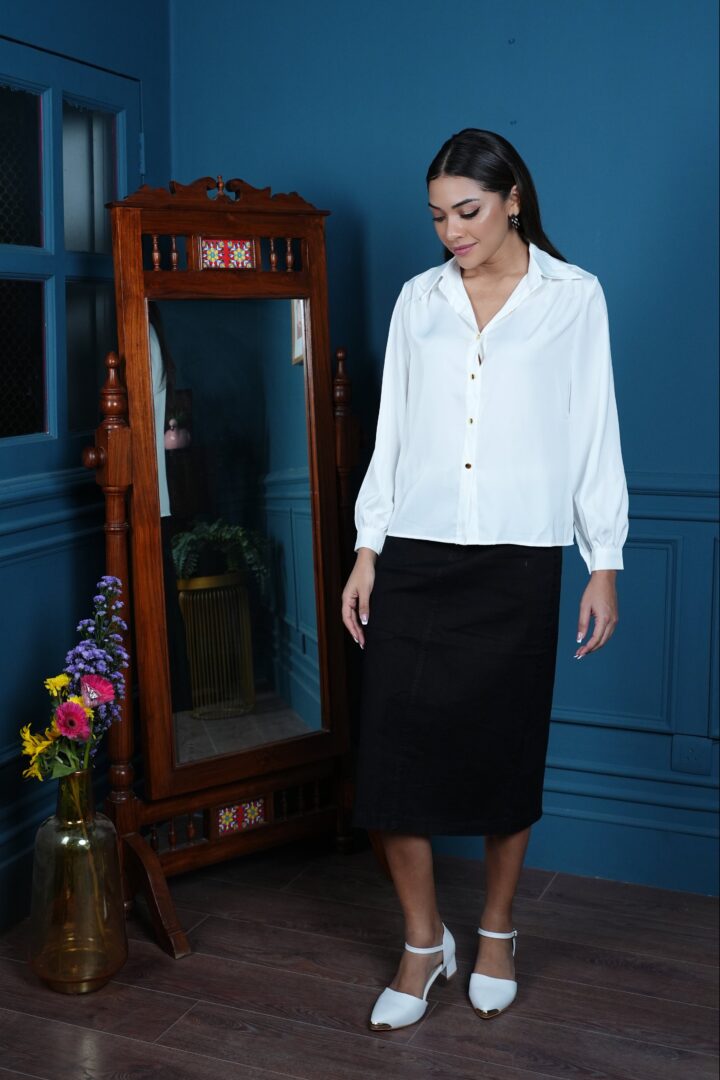
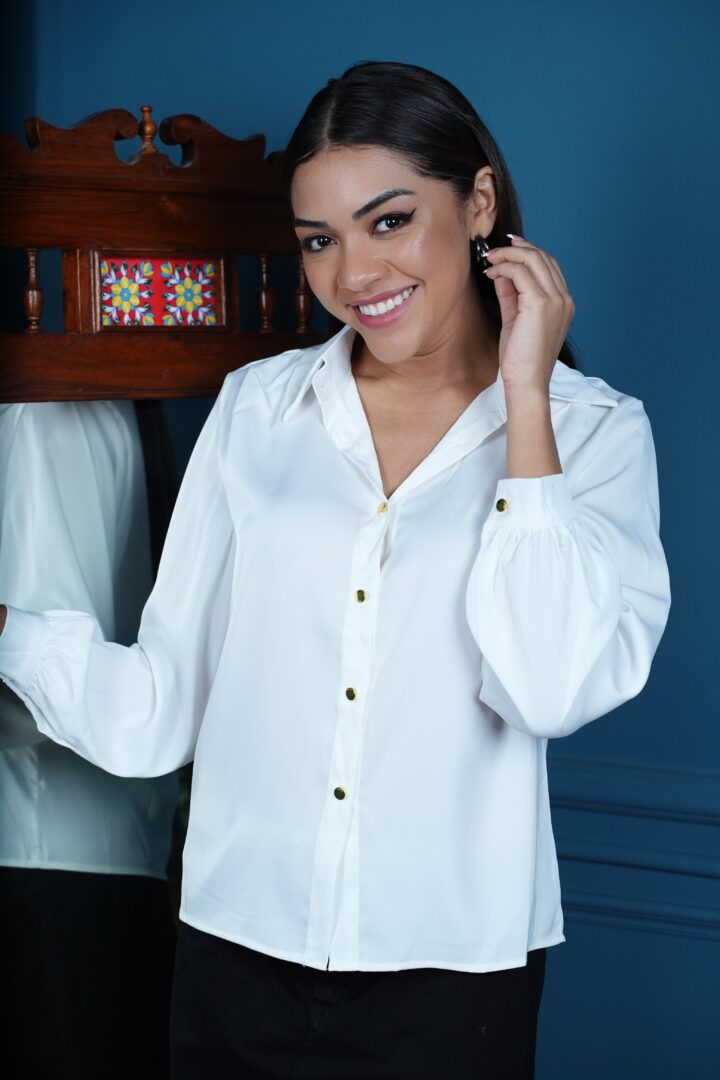 Classic White Button Down Shirt for Women
₹2,699
Mint Jade Grace Embroidered Co-ord Set
Ethereal Bloom Cream Co-ord Set
Skyline Bloom 3D Shirt & Cami Set
Classic White Button Down Shirt for Women
₹2,699
Mint Jade Grace Embroidered Co-ord Set
Ethereal Bloom Cream Co-ord Set
Skyline Bloom 3D Shirt & Cami Set
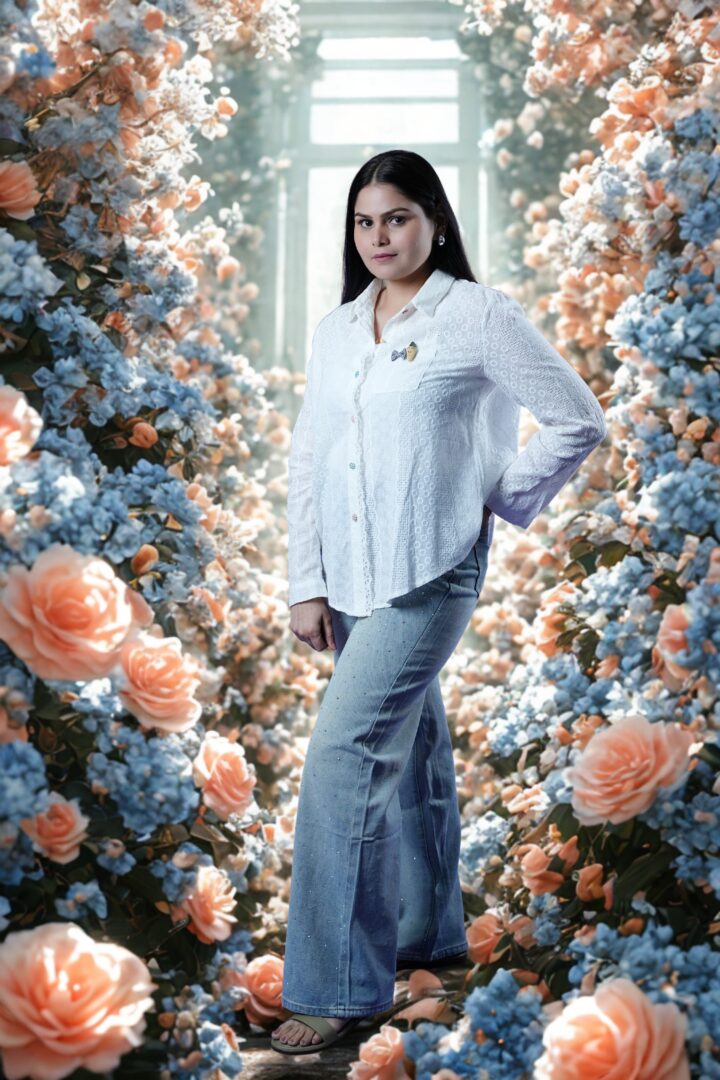
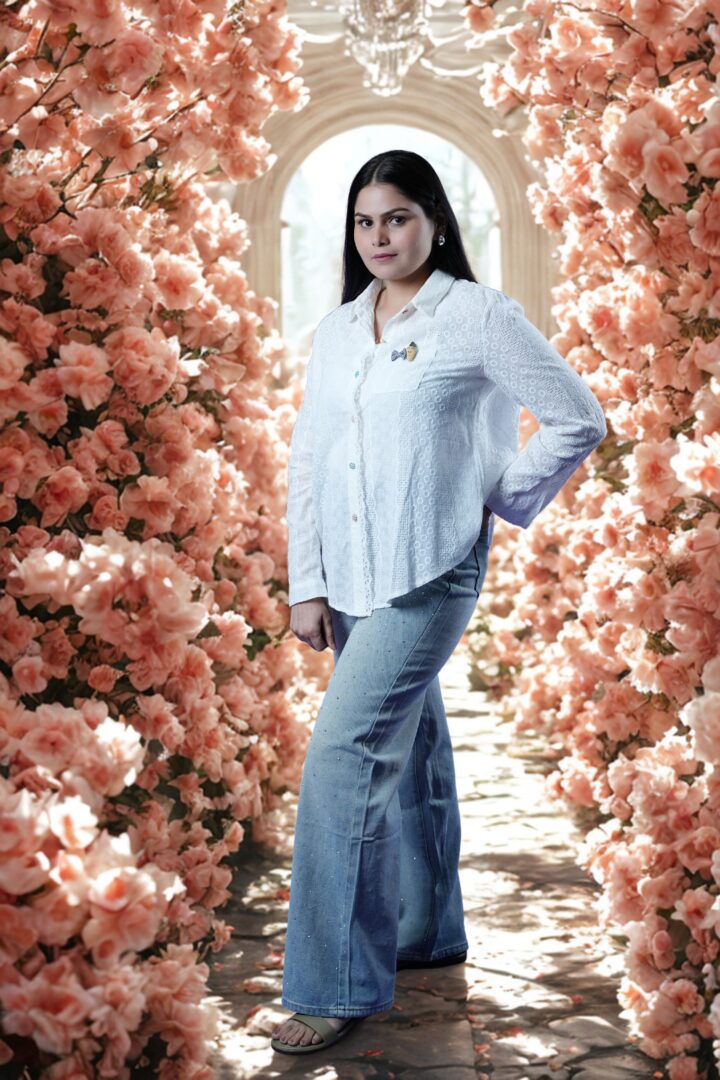 Carrot & Bow 3D Charm Shirt
₹2,450
Wine Whimsy 3-Piece Co-ord Set
Flora Noir 3-Piece Co-ord Set
Carrot & Bow 3D Charm Shirt
₹2,450
Wine Whimsy 3-Piece Co-ord Set
Flora Noir 3-Piece Co-ord Set
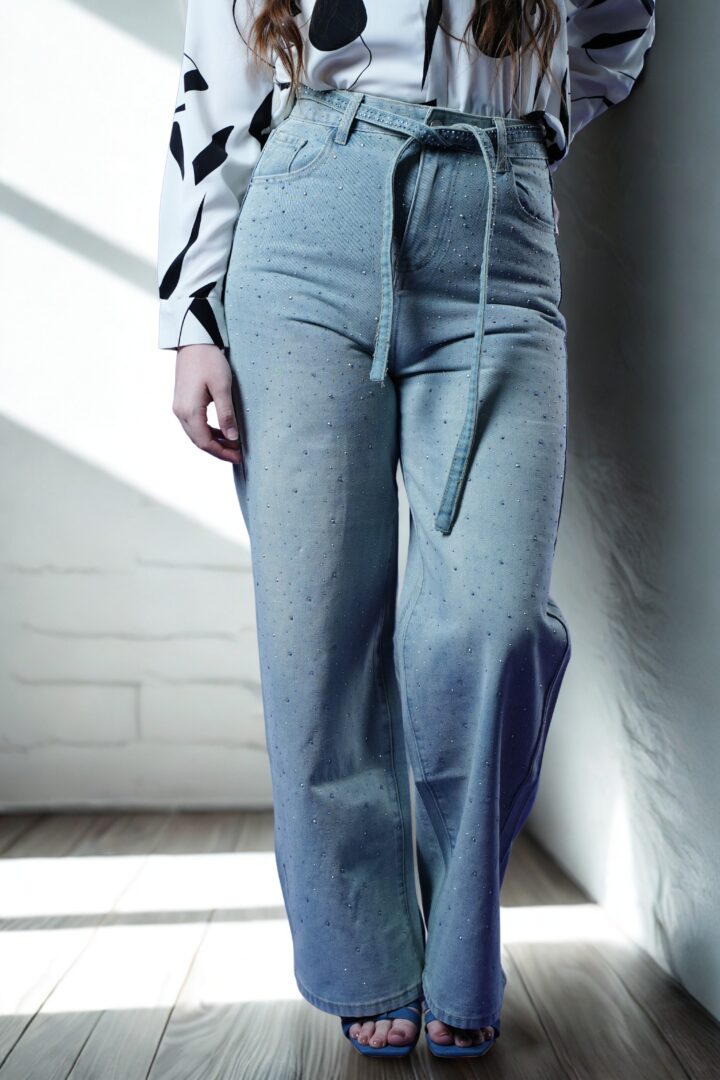
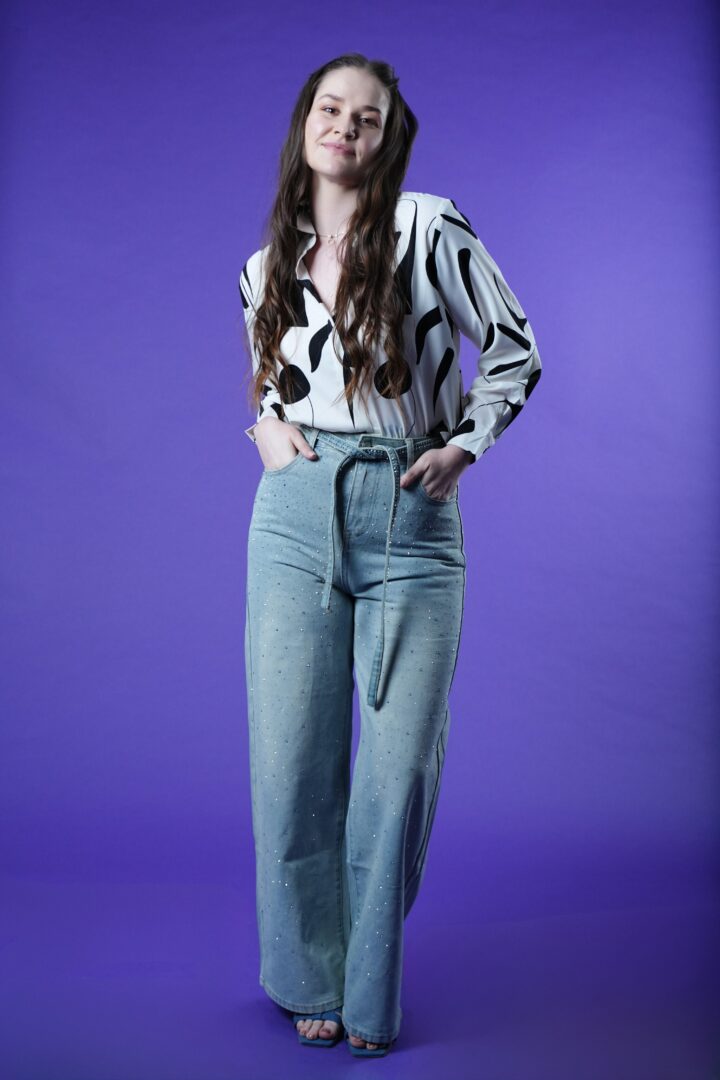 Rinestone Highs - Jeans
₹3,999
Two-Way Vibes Dress
₹3,399
Rinestone Highs - Jeans
₹3,999
Two-Way Vibes Dress
₹3,399
Cotton breathes, absorbs sweat and feels soft on skin. Here is why it is India's favourite summer fabric, plus the best weaves and how to style them.
From A-line and fit-and-flare to wrap, shirt and slip dresses, here is a clear guide to the main types of dresses for women and when to wear each one.
Straight, wide-leg, palazzo, cigarette, bootcut, cargo and more: learn the types of pants for women and which fit flatters your body and lifestyle.