Why Should We Wear Cotton Clothes in Summer?
Cotton breathes, absorbs sweat and feels soft on skin. Here is why it is India's favourite summer fabric, plus the best weaves and how to style them.
Skip the guesswork. Here's how to measure size for online shopping at home, step by step, and how to use size charts to find your perfect fit.
To learn how to measure size for online shopping, you need a soft measuring tape, a mirror and five minutes. Measure your bust, waist and hips (plus shoulders, length and inseam if needed), write them down in inches and centimetres, and compare them with each brand’s size chart instead of relying on S, M or L.
Sizes vary from brand to brand and even between styles, which is why the same “M” can fit you perfectly in one shirt and feel tight in another. Knowing your actual measurements is the single best way to reduce returns and order clothes that fit the first time.
Stand straight with arms relaxed. Wrap the tape around the fullest part of your bust, keeping it level across your back. It should be snug but not tight; you should be able to slide one finger underneath. Wear the bra you usually wear with western clothes for an accurate reading.
Find your natural waist, the narrowest part of your torso, usually a little above the belly button. Breathe normally and wrap the tape around it. Don’t suck in your stomach; you want clothes that are comfortable after a full meal too.
Stand with feet together and measure around the fullest part of your hips and seat. Check in the mirror that the tape is level all the way around. This measurement matters most for skirts, jeans, trousers and fitted dresses.
Measure across your back from the edge of one shoulder bone to the other. This is important for shirts, blazers and structured tops.
With your arm slightly bent, measure from the shoulder edge, over the elbow, down to your wrist bone.
Measure from the top of your inner thigh down to where you’d like your trousers to end, usually the ankle. Easier still: measure the inseam of a pair of jeans that fits you well.
Measure from the highest point of your shoulder, near the neck, down to where you’d like the hem to fall. This helps you understand whether a mini, midi or crop will land where you expect.
For jeans and trousers, the rise is the distance from the crotch seam to the waistband. Comparing the listed rise with a favourite pair tells you if a style is high-waisted on you.
| Measurement | Where to measure | Most important for |
|---|---|---|
| Bust | Fullest part of the chest | Tops, shirts, dresses, co-ords |
| Waist | Narrowest part of the torso | Skirts, jeans, trousers, dresses |
| Hips | Fullest part of hips and seat | Jeans, skirts, fitted dresses |
| Shoulders | Shoulder bone to shoulder bone | Shirts, blazers, structured tops |
| Inseam | Inner thigh to ankle | Jeans, trousers, palazzos |
| Length | High shoulder point to hem | Dresses, tops, kurtas |
Most online stores list body measurements, garment measurements, or both. Knowing the difference is key.
If your measurements fall between two sizes, think about the style:
Size charts are just the start. Product descriptions often mention the fit, such as “oversized”, “relaxed”, “straight fit” or “fit and flare”, and these words tell you how the garment is meant to sit. For example, an oversized studded shirt like the one in the Misty Tulle Studded Duo Set is designed to be roomy, while a fit-and-flare dress like The Angelcore White Tie-Up Dress will be closer at the bodice and flared below. High-waisted, straight-fit jeans such as the Twilight Heart Pop Denim Jeans need your waist and hip measurements most of all.
Also look for details like adjustable lace-ups, elasticated waists or inner shorts in mini skirts, as they make fit and comfort easier.
Browse our Studio Denim collection with your measurements in hand to find the right fit in jeans and skirts.
Use a soft measuring tape and stand straight in front of a mirror. Measure around the fullest part of your bust, the narrowest part of your waist, and the fullest part of your hips, keeping the tape level and snug but not tight. Note each number in inches and centimetres.
For fitted styles, choose the larger size based on your biggest relevant measurement. For relaxed or oversized styles, you can usually go with the smaller size. For bottoms, go by hips and waist, since a tailor can take in a waist more easily than add room at the hips.
Measure your bust, waist and hips, then match them to the brand’s size chart. Dress fit depends on the style, so check whether it is fitted at the bodice, waist or hips, and use the measurement that matters most for that cut.
Record both if you can. Many Indian brands list sizes in inches, while some use centimetres, so having both saves you from conversion mistakes when comparing size charts.
Body measurements describe your body and tell you which size is designed for you. Garment measurements describe the clothing itself and include extra room for movement, so compare those with a similar piece you own that fits well.
Once you know your measurements, online shopping gets so much easier and a lot more fun. Grab your tape, note your numbers and explore the full Oh My My range in our shop to find pieces that fit you and your vibe. Tis for the vibes!
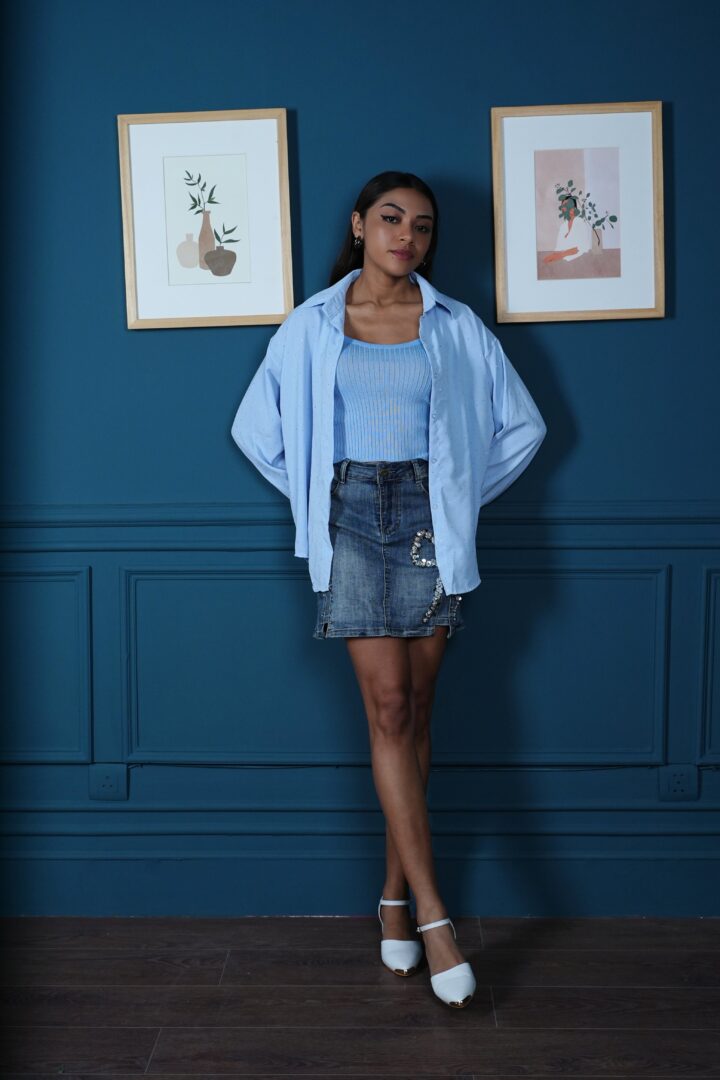
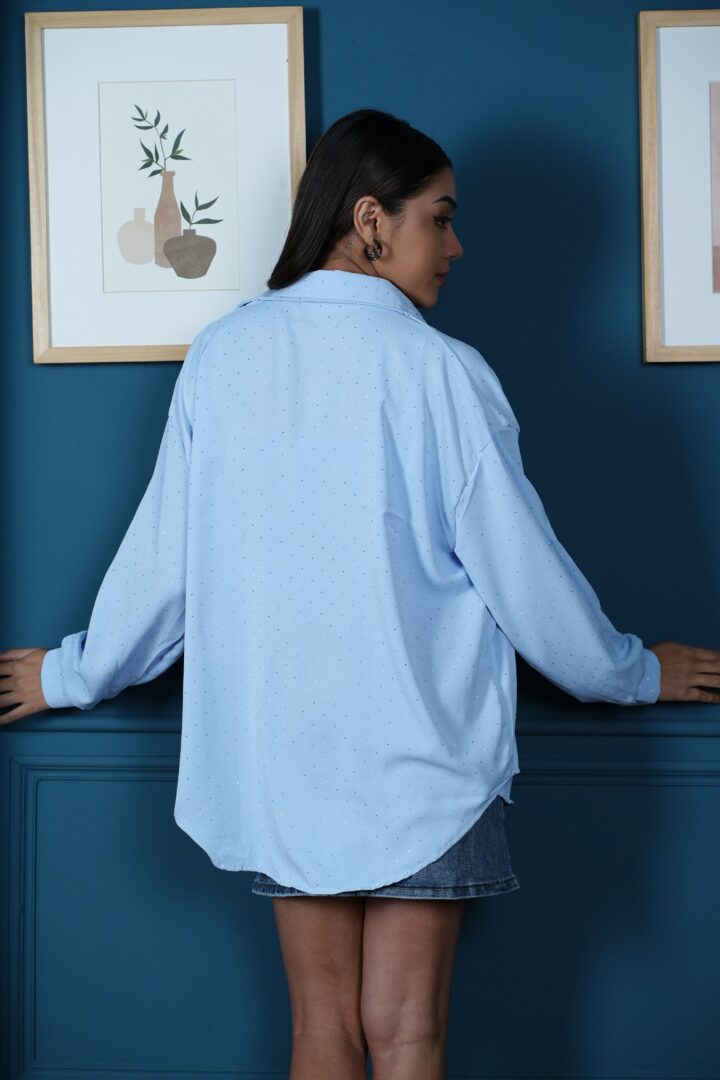 Misty Tulle Studded Duo Set
₹2,499
The Angelcore White Tie-Up Dress
₹5,499
Misty Tulle Studded Duo Set
₹2,499
The Angelcore White Tie-Up Dress
₹5,499
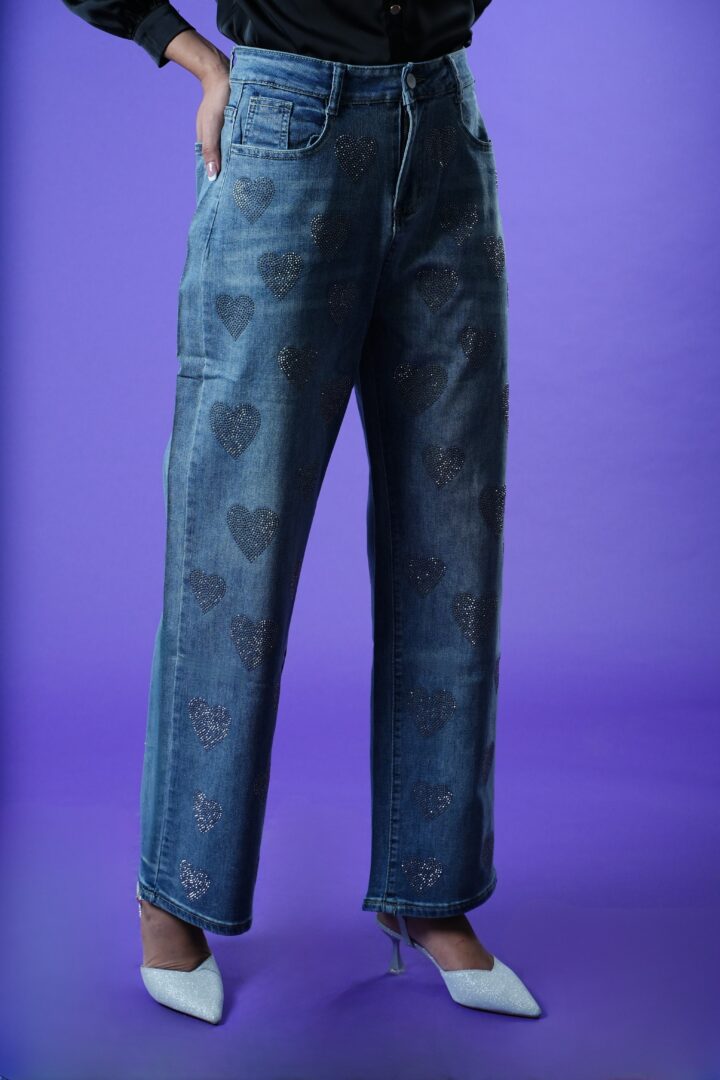
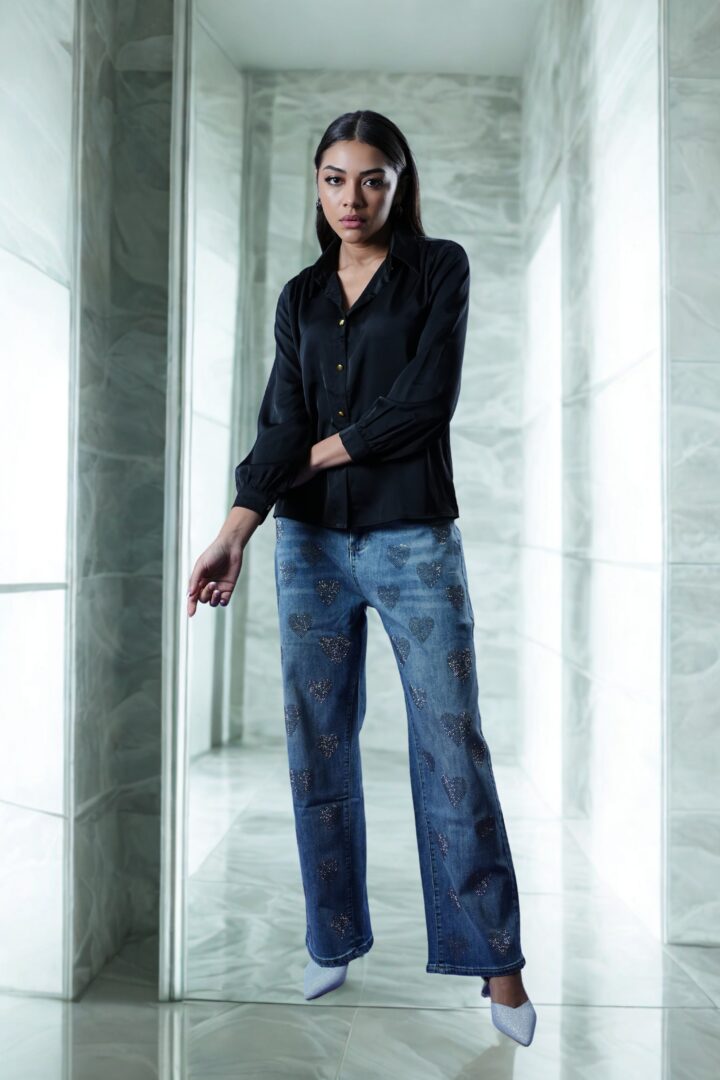 Twilight Heart Pop Denim - Jeans
₹4,269
Coco Charm Embroidered Co-ord Set
Mint Jade Grace Embroidered Co-ord Set
Ethereal Bloom Cream Co-ord Set
Midnight Sheer Dori Embroidered Shirt
Skyline Bloom 3D Shirt & Cami Set
Twilight Heart Pop Denim - Jeans
₹4,269
Coco Charm Embroidered Co-ord Set
Mint Jade Grace Embroidered Co-ord Set
Ethereal Bloom Cream Co-ord Set
Midnight Sheer Dori Embroidered Shirt
Skyline Bloom 3D Shirt & Cami Set
 Carrot & Bow 3D Charm Shirt
₹2,450
Wine Whimsy 3-Piece Co-ord Set
Carrot & Bow 3D Charm Shirt
₹2,450
Wine Whimsy 3-Piece Co-ord Set
Cotton breathes, absorbs sweat and feels soft on skin. Here is why it is India's favourite summer fabric, plus the best weaves and how to style them.
From A-line and fit-and-flare to wrap, shirt and slip dresses, here is a clear guide to the main types of dresses for women and when to wear each one.
Straight, wide-leg, palazzo, cigarette, bootcut, cargo and more: learn the types of pants for women and which fit flatters your body and lifestyle.